

Did You Know Your VA Funding Fee May Be Tax Deductible? Here's What You Need to Know This Tax Season
It's tax season, and if you purchased or refinanced a home with a VA loan, there's a deduction you might be leaving on the table. Starting with tax year 2026, Veterans, service members, and surviving spouses can once again deduct the VA funding fee on their federal tax return. This is a big deal — and I want to make sure you don't miss it.
Let me break it down the way I would if you were sitting across from me.
What Is the VA Funding Fee?
The VA funding fee is a one-time charge that most Veterans and service members pay when they use a VA-backed home loan. It helps keep the VA loan program running so future generations of military families can use it too. The fee varies based on your loan type, down payment, and whether it's your first time using the VA benefit.
For a standard purchase with no money down, first-time users currently pay 2.15% of the loan amount. On a $700,000 home here in Honolulu, that's over $15,000. Subsequent use with no money down bumps up to 3.30%. If you're doing an IRRRL (streamline refinance), the fee is just 0.5% (per VA Pamphlet 26-7, Chapter 8).
That's real money — and now it can work for you at tax time.
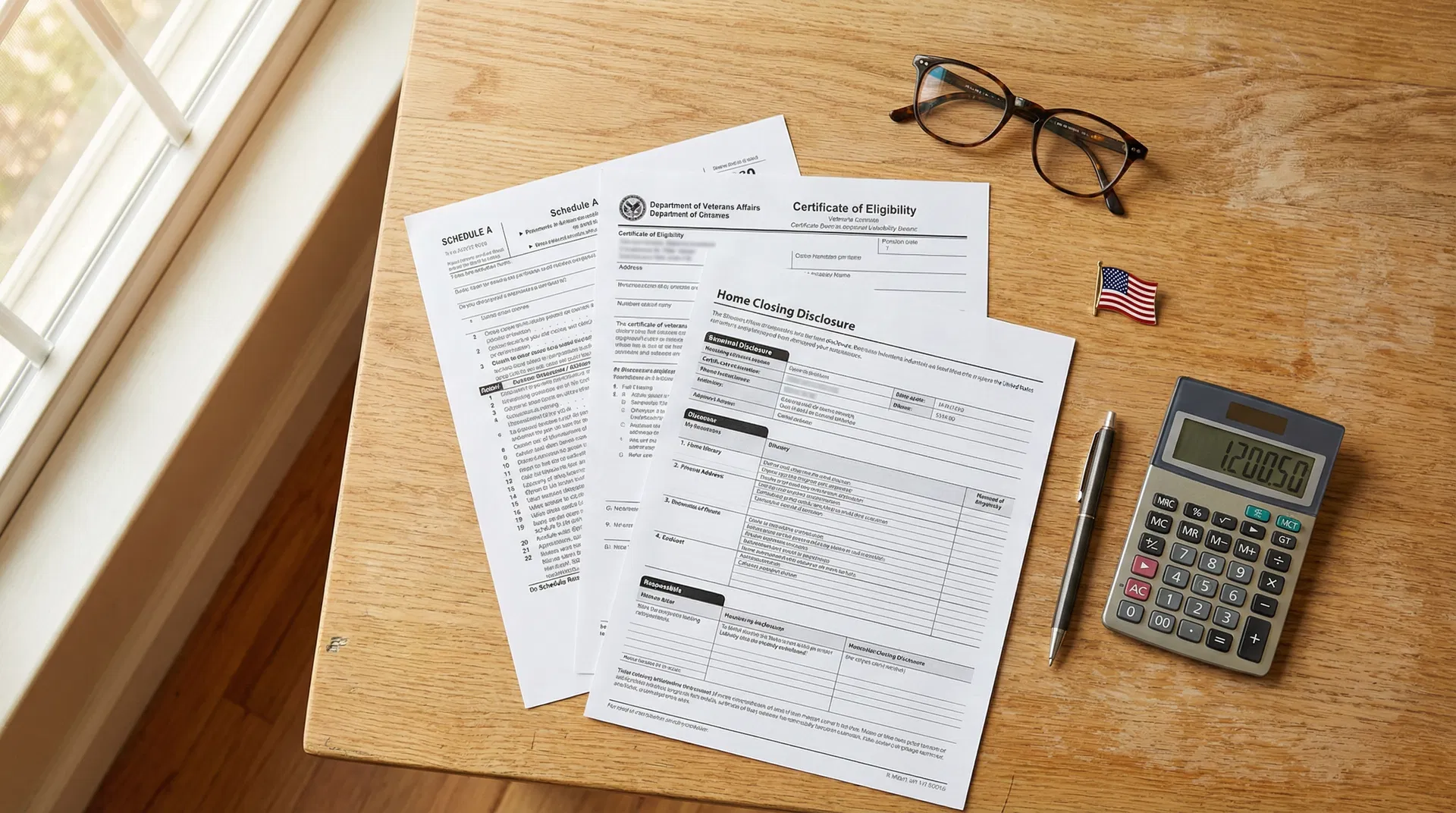
The Deduction Is Back
The mortgage insurance premium deduction — which covers the VA funding fee — had expired after 2021. But recent legislation restored it, and the VA confirmed in February 2026 that funding fees are once again deductible. This applies whether you paid the fee upfront at closing or financed it into your loan.
This is especially meaningful for buyers in high-cost markets like Honolulu County, where loan amounts are larger and that 2.15% adds up fast.
How to Claim It
Here's what you need to know to take advantage of this:
You must itemize your deductions. The VA funding fee deduction goes on Schedule A of your federal return. If you're taking the standard deduction — which for 2025 is $15,750 for single filers and $31,500 for married filing jointly — you won't see a benefit from this specific deduction unless your total itemized deductions exceed those amounts.
Many Hawaii homeowners already itemize because of higher mortgage interest and property taxes, so this could be a natural fit.
How you paid the fee matters. If you paid the funding fee upfront at closing, you can generally deduct the full amount in the tax year you paid it. If you rolled the fee into your loan — which most VA borrowers do — the IRS may require you to spread (amortize) the deduction over the life of the loan. That means you'd deduct a portion each year rather than all at once.
Your loan must be secured by your primary residence or second home. Investment properties don't qualify for this deduction.
Who's Exempt From the Fee Entirely?
Before you worry about deducting it, check whether you even owe the fee. Veterans receiving VA disability compensation — at any rating level — are exempt from paying the funding fee altogether. Purple Heart recipients on active duty are also exempt. If that's you, this shows up on your Certificate of Eligibility, and the fee should have been waived at closing.
If your disability rating came through after you closed, you may be eligible for a refund of the funding fee you already paid. That's a separate process through the VA, and it's worth looking into.
The Bottom Line
If you closed on a VA loan and paid a funding fee, talk to your tax professional about whether itemizing makes sense for you this year. The savings could be meaningful — especially here in Hawaii where home prices push those fees higher.
And if you're thinking about buying with a VA loan this year, this is one more reason the VA benefit is one of the most powerful tools available to military families. No down payment, no PMI, competitive rates — and now a potential tax deduction on the funding fee.
Questions about your VA loan options or how the funding fee works? I'm always happy to chat.
Jay Miller | Sales Manager & Mortgage Loan Consultant | NMLS# 657301 Licensed in Hawaii | Specializing in VA & Conventional Lending
This article is for informational purposes only and does not constitute tax advice. Consult a qualified tax professional for guidance specific to your situation.